Business plan spreadsheets need a reliable foundation, and a good Excel financial-modeling guide can make the difference between a rough estimate and a defensible projection. Two hardcover listings for the same K. Scott Proctor guide are available at different listed prices, so the first decision is simple: take the lower price or pay a little more for a condition note that explicitly describes unmarked pages. The content is the same; the real split is in price and how each listing describes the book's condition.
Quick Verdict
For most shoppers, the USD 5.63 listing is the one to start with. It carries the same hardcover format and the same condition level as the USD 6.16 listing while sitting at the lower end of the price spread. The higher-priced listing becomes the better pick if you want an explicit condition note that says pages are unmarked. Since both listings share the same author and book title, the choice is not about content; it is about condition phrasing and price.
Price and Condition at a Glance
| Listing | Price bar | Listed price | Condition | Format |
|---|---|---|---|---|
| Building Financial Models with Microsoft Excel: A Guide for Business Profess | USD 5.63 | Very Good | Hardcover | |
| Building Financial Models with Microsoft Excel: A Guide for Business | USD 6.16 | Very Good | Hardcover |
Where Each Listing Wins
Lower-priced listing: It wins on the listed price. This copy gives you the same hardcover reference and the same condition level at a lower dollar amount. If your business plan spreadsheet budget is tight, the price spread is the main reason to start here.
Higher-priced listing: It wins for readers who read condition notes closely. The description explicitly states that pages are unmarked while only mentioning possible limited writing in cover pages. That kind of wording can matter when you plan to use the book often or prefer clean pages.
Product Notes
Building Financial Models with Microsoft Excel: A Guide for Business Profess
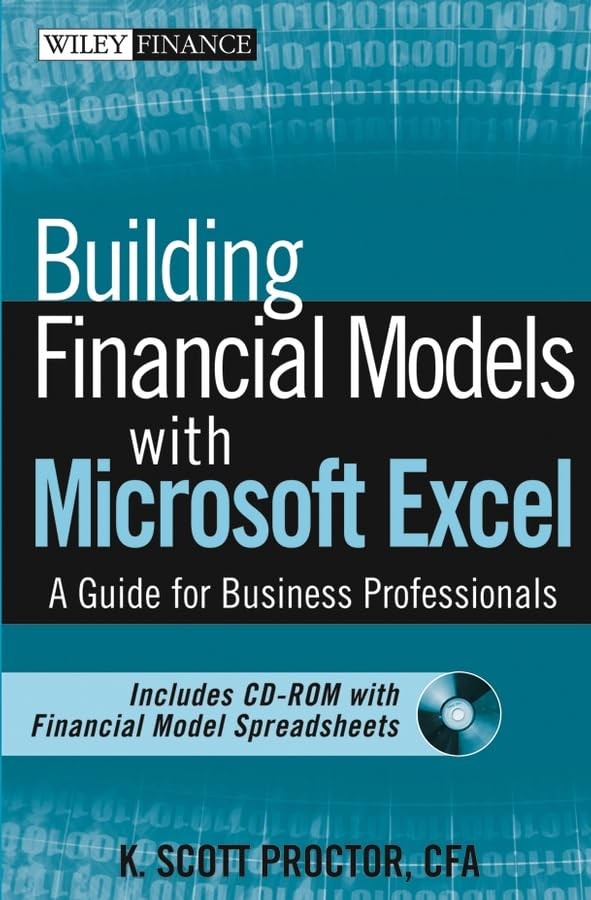
You get the same core content and hardcover format at the lower end of the price spread. The description says it shows normal use and some light wear or limited notes markings, which is typical for a pre-owned guide. For a business planner who needs a solid working reference without spending the higher listed price, this is the sensible starting point. The limitation is visible in the listing title: it is cut off after "Business Profess," so the complete subtitle is not shown. If you prefer a listing title that reads completely, the alternative is easier to scan.
Building Financial Models with Microsoft Excel: A Guide for Business
This listing costs a little more but carries a description that sets expectations clearly: pages are unmarked, and any writing is limited to cover pages. That is a useful detail when you want the main text clean for reading and referencing. The listing also has a shorter title, so it displays without truncation. The limitation is that you are paying a slightly higher listed price for a description phrase, not for different content. If the price spread is not a concern, this listing offers a more explicit condition statement.
Final Choice by Use Case
If your main goal is to put together business plan spreadsheets without spending more than necessary, start with the "A Guide for Business Profess" listing. If you want the same guide with an explicit "pages are unmarked" condition note, choose the "A Guide for Business" listing. For most buyers, the deciding factor is whether the condition phrasing or the lower listed price matters more.